
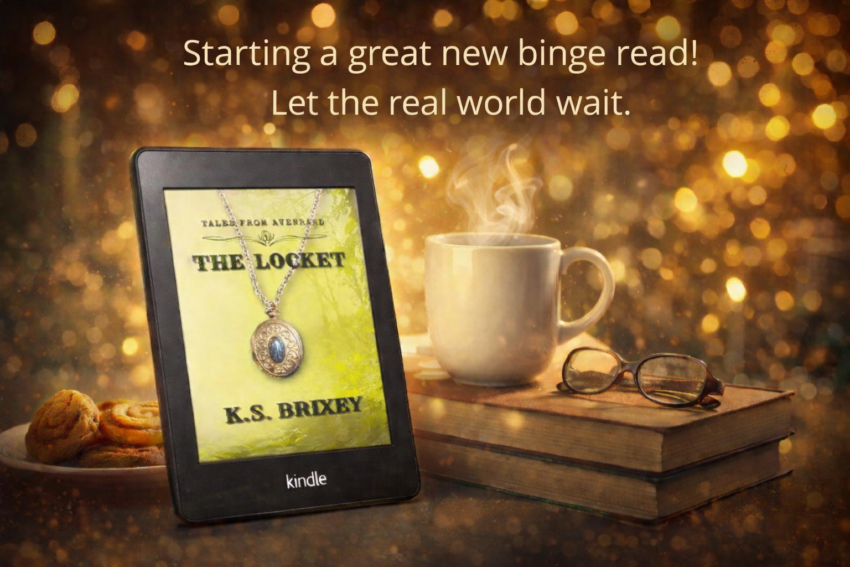
In an age of endless streaming, binge-watching has become the default way we consume stories. With a tap of a button, entire seasons unfold effortlessly—no imagination required, no page-turning stamina needed. The allure lies in ease and immediacy: visuals, music, and cliffhangers carry us along when our energy is low and our minds are tired.
Binge reading, however, offers a different kind of immersion. It asks more of us—but it gives more back. Reading activates imagination, deepens focus, and allows a story to unfold at a pace shaped by our own attention. Where binge-watching soothes and entertains, binge reading engages and strengthens cognitive endurance.
Neither is inherently better; they simply serve different needs. Binge-watching can be restorative, communal, and emotionally satisfying. Binge reading builds concentration, empathy, and a personal relationship with language and story.
The magic lies in choosing consciously—sometimes surrendering to the screen, other times sinking into the quiet, expansive world of a book.
If you wouldn’t put your toddler in front of the television for three or four hours straight, why would you do it to yourself, night after night? If you wonder why your TBR (To Be Read) list is backing up, consider your viewing habits and indulge in some binge-reading.